
Leading Foundation Repair Products To Address Foundation Challenges
Identify top products that help resolve foundation problems and enhance your property's safety and durability.
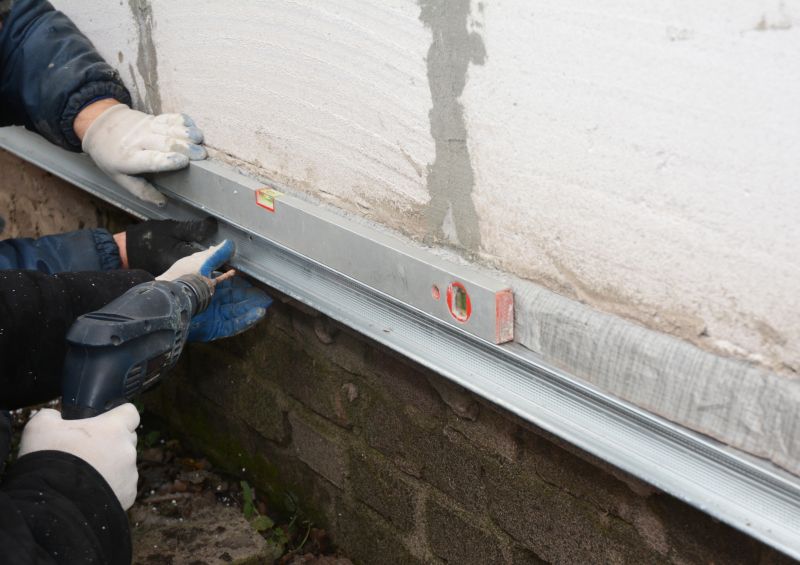 Foundation repairs are a critical aspect of maintaining the structural integrity of a building, especially in areas like Sturgeon Bay, WI, where soil conditions and weather patterns can impact foundational stability. Selecting the right products for foundation repair involves understanding various solutions designed to address different issues such as settling, cracking, or shifting. These products are engineered to reinforce, stabilize, and restore the foundation, helping to prevent further damage and ensuring safety for occupants.
Top Overall Option
Polyurethane Foam Injection System
Polyurethane foam injection systems are a versatile solution for addressing small to moderate foundation cracks and void filling. They expand upon application, providing quick stabilization and lifting of sunken areas. These systems are often favored for their minimally invasive nature and ability to conform to irregular spaces, making them suitable for residential and commercial foundations alike.
Types of Products For Foundation Repairs
Underpinning Systems
Underpinning involves strengthening and stabilizing existing foundations using various support systems designed to transfer load to deeper, more stable soil layers.
Helical Piers
Helical piers are steel shafts with helical plates, installed beneath the foundation to provide support and lift, especially useful for settling or shifting structures.
Helical Anchors
Helical anchors are used to stabilize retaining walls and provide lateral support by anchoring into stable soil or bedrock.
Epoxy Crack Fillers
Epoxy fillers are used to seal and reinforce cracks in concrete foundations, preventing water intrusion and further deterioration.
Polyurethane Foam Injectors
Polyurethane foam injectors expand to fill voids and cracks, providing lift and stabilization for sunken or uneven foundations.
Soil Stabilization Grouts
These grouts are injected into the soil to improve its load-bearing capacity and reduce settlement issues.
Carbon Fiber Reinforcements
Carbon fiber strips or fabrics are used to reinforce cracked or bowed walls, adding tensile strength without extensive excavation.
Steel Push Piers
Steel push piers are driven into the ground beneath the foundation to provide stable support and lift sunken areas.
Concrete Lifting Slabs
Lifting products are designed to raise and level uneven concrete slabs around the foundation to prevent tripping hazards and water pooling.
Drainage and Waterproofing Systems
These systems help manage water flow around the foundation, reducing hydrostatic pressure and water-related damage.
Grout Injection Systems
Grout injection is used to fill voids and stabilize soil or concrete, often in conjunction with underpinning or piers.
Basement Wall Braces
Wall braces provide lateral support to bowing or cracked basement walls, preventing further deformation.
Mud Jacking Materials
Mud jacking involves pumping a slurry beneath concrete slabs to lift and level them without replacement.
Drainage Matting
Drainage matting helps direct water away from the foundation, reducing moisture-related issues.
Vapor Barriers
Vapor barriers are installed to prevent moisture migration through floors and walls, protecting the foundation from water damage.
Popular Choices
This solution is trending for its quick application and minimal disruption, suitable for small to moderate repairs.
Steel push piers continue to be a common choice for lifting and stabilizing sunken foundations due to their strength and reliability.
Epoxy crack fillers are frequently used for sealing cracks and restoring concrete integrity in foundation walls.
Helical piers are popular for their ability to support and lift foundations, especially in areas with challenging soil conditions.
Carbon fiber strips are increasingly used for wall reinforcement, offering a non-invasive solution for cracked or bowed walls.
Waterproofing products are in demand to protect foundations from water intrusion and related damage.
Grout injections are popular for filling voids and stabilizing soil or concrete in various repair scenarios.
Mud jacking remains a favored method for leveling sunken concrete slabs around foundations.
Drainage and moisture management systems are increasingly used to prevent foundation issues caused by water accumulation.
Wall braces are frequently employed to stabilize bowing basement walls and prevent further cracking.
When considering foundation repair products, it's important to evaluate the specific needs of your property. Some solutions are suitable for minor cracks and surface issues, while others are designed for significant structural concerns. Proper assessment by a professional can help determine the most appropriate products and repair methods. Additionally, choosing high-quality, durable materials can contribute to the longevity of the repair work, reducing the likelihood of recurring problems.
Many foundation repair products are versatile and can be used in various scenarios, from residential homes to commercial buildings. They include a range of options such as underpinning systems, helical piers, helical anchors, polyurethane foam injections, and epoxy crack fillers. Each product type is tailored to address particular types of foundation issues, making it essential to understand their functions and applications.
Investing in the right foundation repair products can lead to a more stable and secure structure. While some solutions are DIY-friendly, complex issues often require professional installation. Regardless of the approach, selecting products that meet industry standards and are compatible with your specific foundation type is crucial for achieving effective results. Proper maintenance and periodic inspections can also help monitor the foundation's condition over time, ensuring ongoing stability and safety.
Key Buying Considerations
- Assess the specific foundation issues to determine the appropriate product type.
- Consider the soil and environmental conditions of your property in Sturgeon Bay, WI.
- Evaluate the load-bearing capacity and durability of the repair products.
- Determine whether a DIY approach is feasible or if professional installation is recommended.
- Check for products that are compatible with your foundation material, such as concrete or masonry.
- Review the installation process to understand the level of disruption and time required.
- Prioritize solutions that offer flexibility for future inspections and repairs.
- Ensure products meet industry standards and have appropriate certifications.
- Consider the long-term maintenance requirements of the repair solutions.
- Review customer feedback and expert recommendations for reliability and effectiveness.
- Estimate the total cost, including labor, materials, and potential future repairs.
- Verify if the products are suitable for the severity of the foundation issues present.
- Look for products that provide clear instructions and support for installation.
- Assess the potential impact on property value and structural safety.
- Consider consulting with a foundation specialist for tailored recommendations.